Boy from Heaven
"Sari, we need an Arabic-speaking designer to work on a film."
"Ok, sounds interesting. Tell me about it."
"Well, the story takes place in Cairo but we're filming in Istanbul."
"Umm, what?"
"Yes, we need to turn Istanbul into Cairo."
"Ok, sounds interesting. Tell me about it."
"Well, the story takes place in Cairo but we're filming in Istanbul."
"Umm, what?"
"Yes, we need to turn Istanbul into Cairo."
That simple conversation defined the project.
Much of the work focused on the everyday details that define a city. Shopfronts, vehicle graphics, licence plates and environmental signage were designed to integrate naturally into existing locations, allowing Istanbul to convincingly stand in for Cairo. Individually, these elements are almost invisible; collectively, they become part of the film's visual authenticity.
The Café
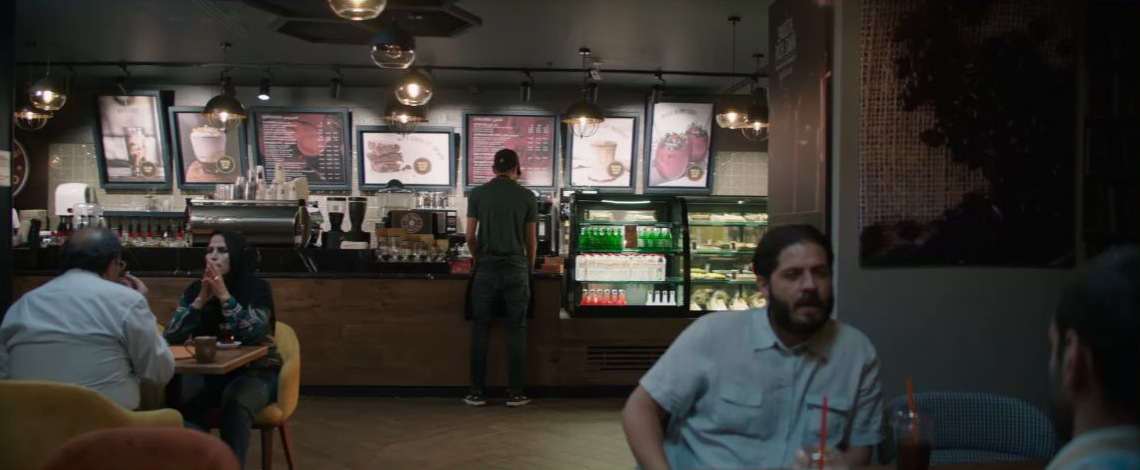
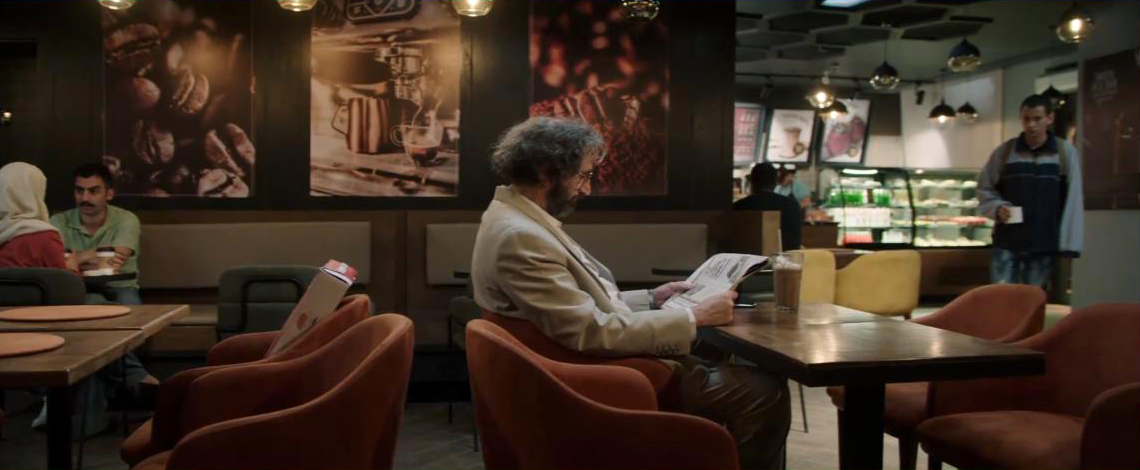
A recurring location throughout the film, Qahwe Co. serves as the backdrop to a series of pivotal meetings between Adam and an undercover police officer. Every graphic element—from menu boards and product labels to the surrounding interior—contributes to a single visual identity that quietly supports the narrative.
The Library
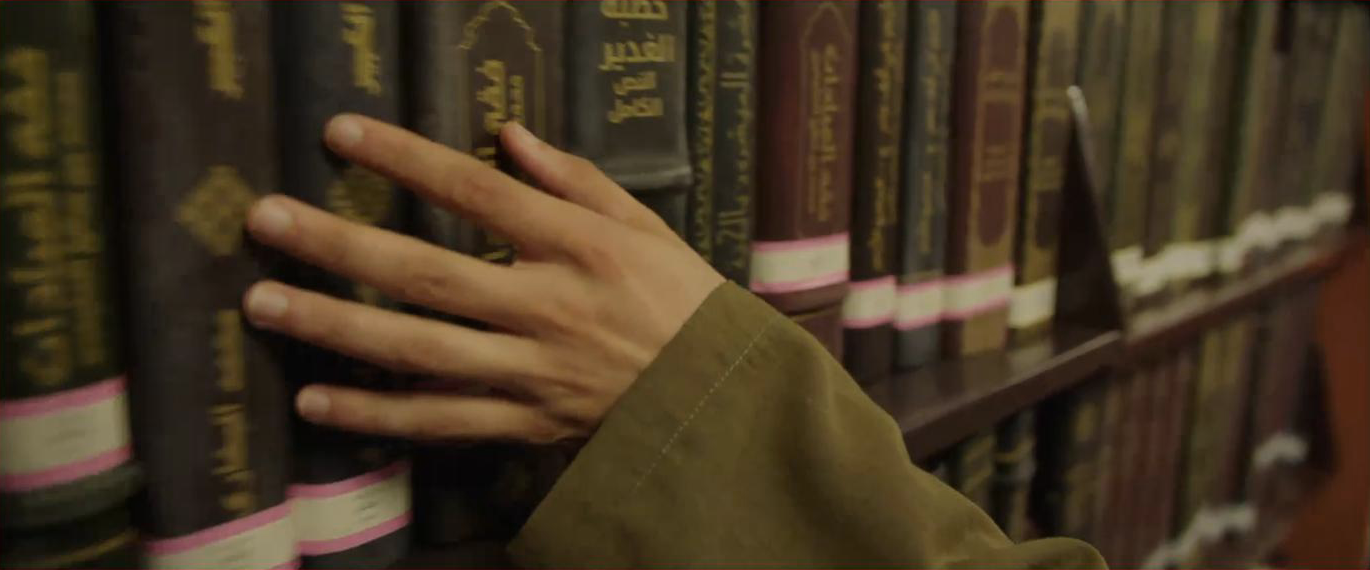
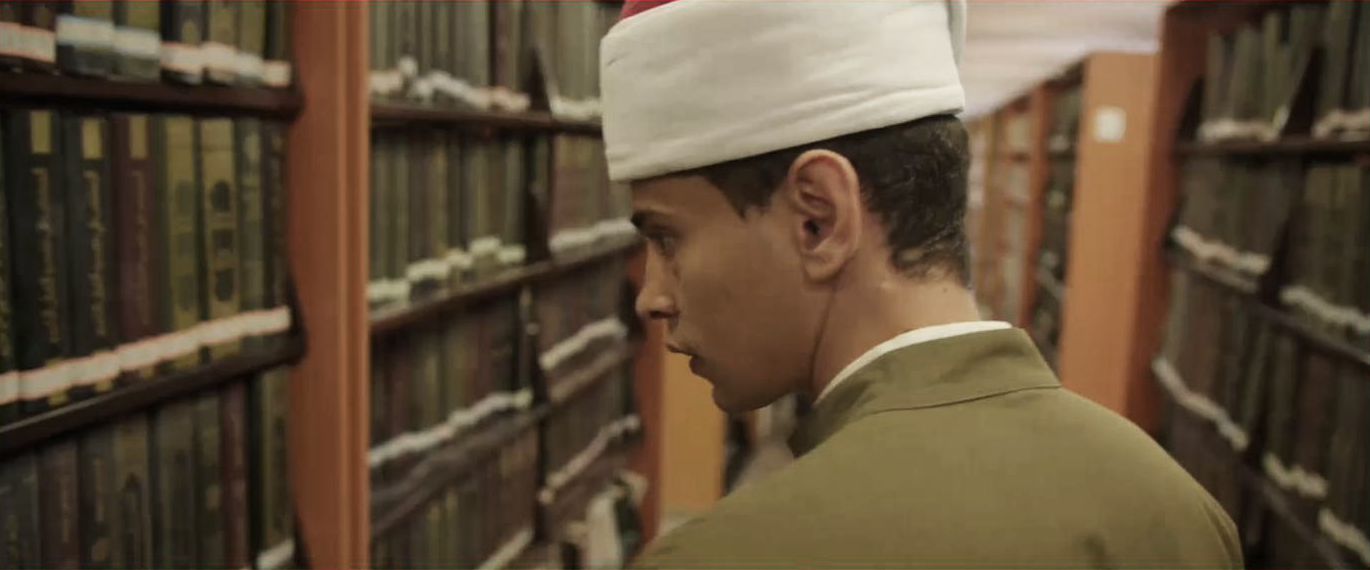
One of the film's pivotal scenes takes place inside the library of Al-Azhar University. Although filmed in Istanbul, the space needed to convey the visual character of one of the Islamic world's oldest centres of learning. Thousands of book props were created to form what appears to be an extensive collection of Arabic religious texts, establishing the visual rhythm and character of the library. Although only a handful are ever seen in close-up, the collection as a whole quietly shapes the atmosphere of the space.
The Forum
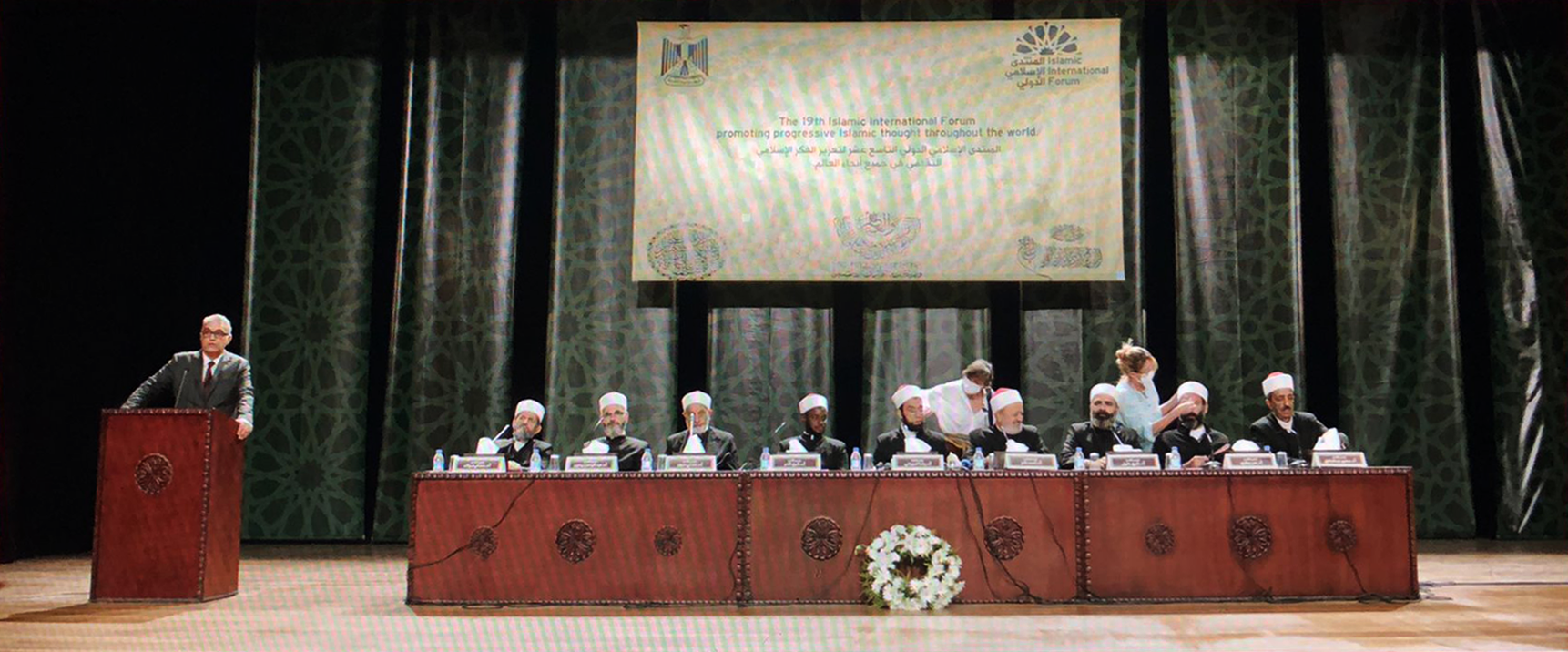
The International Islamic Forum serves as the setting for one of the film's defining political moments, bringing together influential religious figures from across the Islamic world. As a fictional institution, it required a visual identity that could extend consistently across the conference environment, from the main stage to the smallest supporting details.
Documents
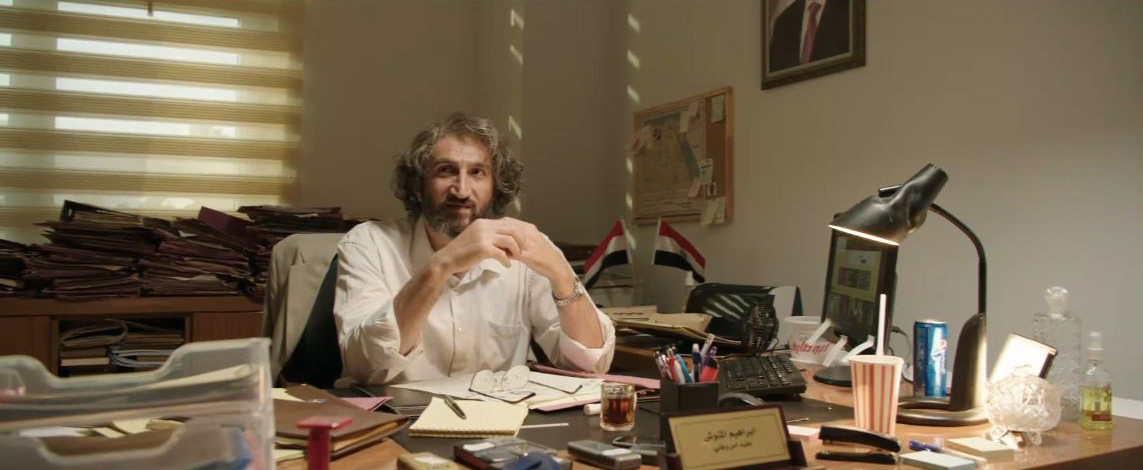
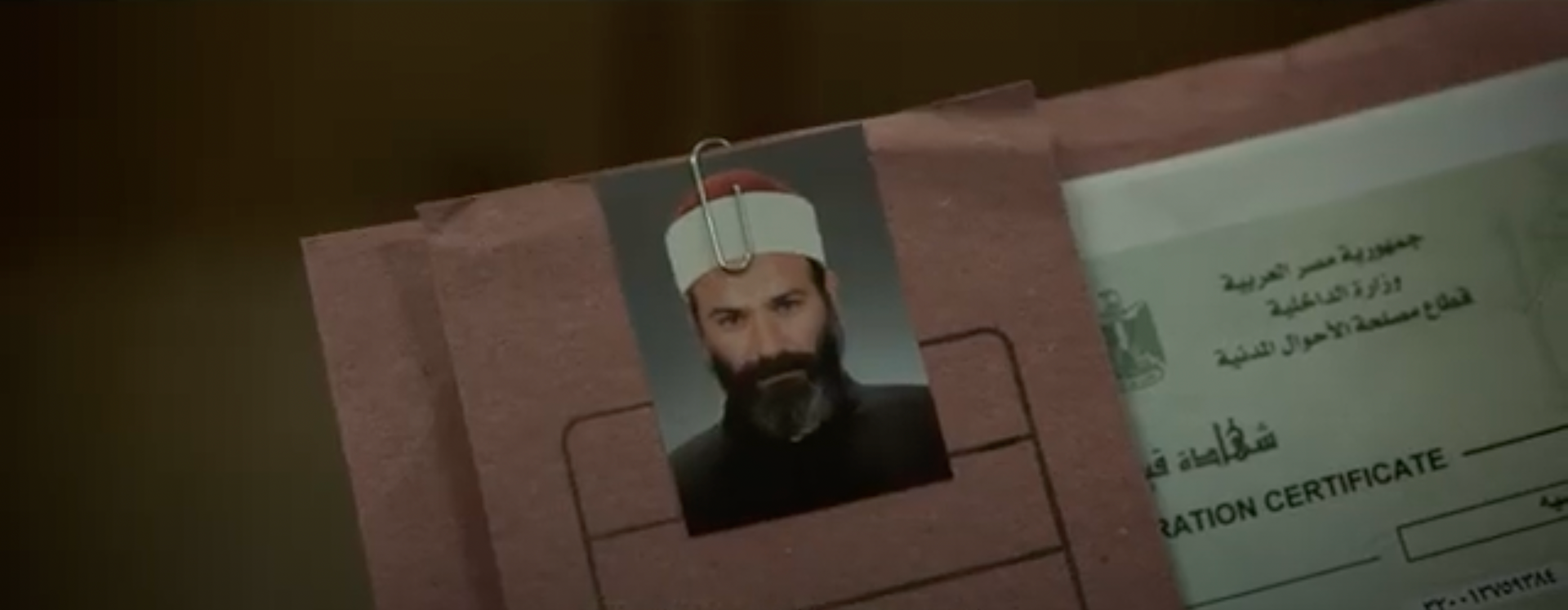
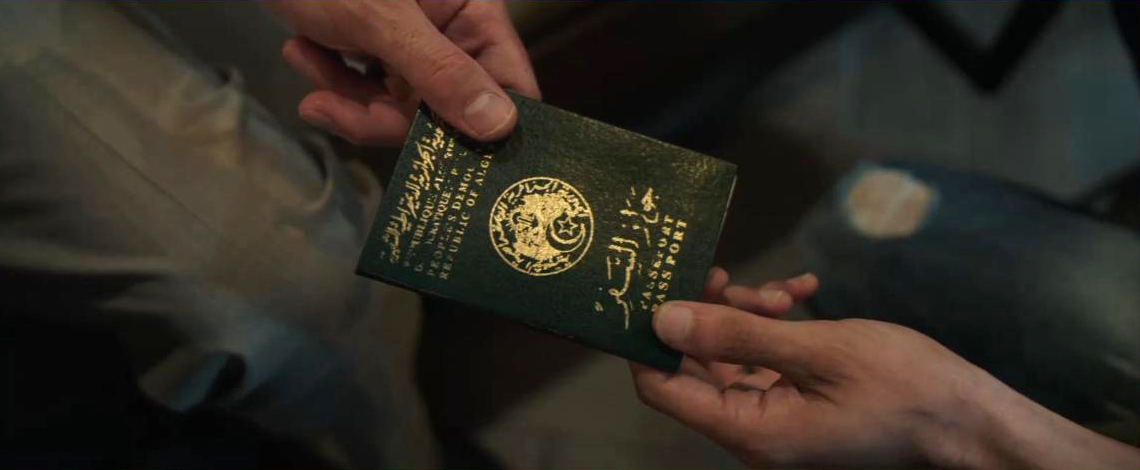
Throughout the film, official documents become small but important parts of the narrative. Student files, letters, passports and certificates were developed as part of the film's broader visual language, ensuring that even the most ordinary objects reflected the same level of care as the environments they belonged to.
Eagles of the Republic
Eagles of the Republic explores the relationship between power, image and propaganda through the story of Egypt's most celebrated actor, whose life becomes entangled with the country's ruling regime. Returning to Cairo through a different lens, the film shifts its attention from religious institutions to the machinery of the state, revealing a city shaped as much by authority as by everyday life.
The Image of Power
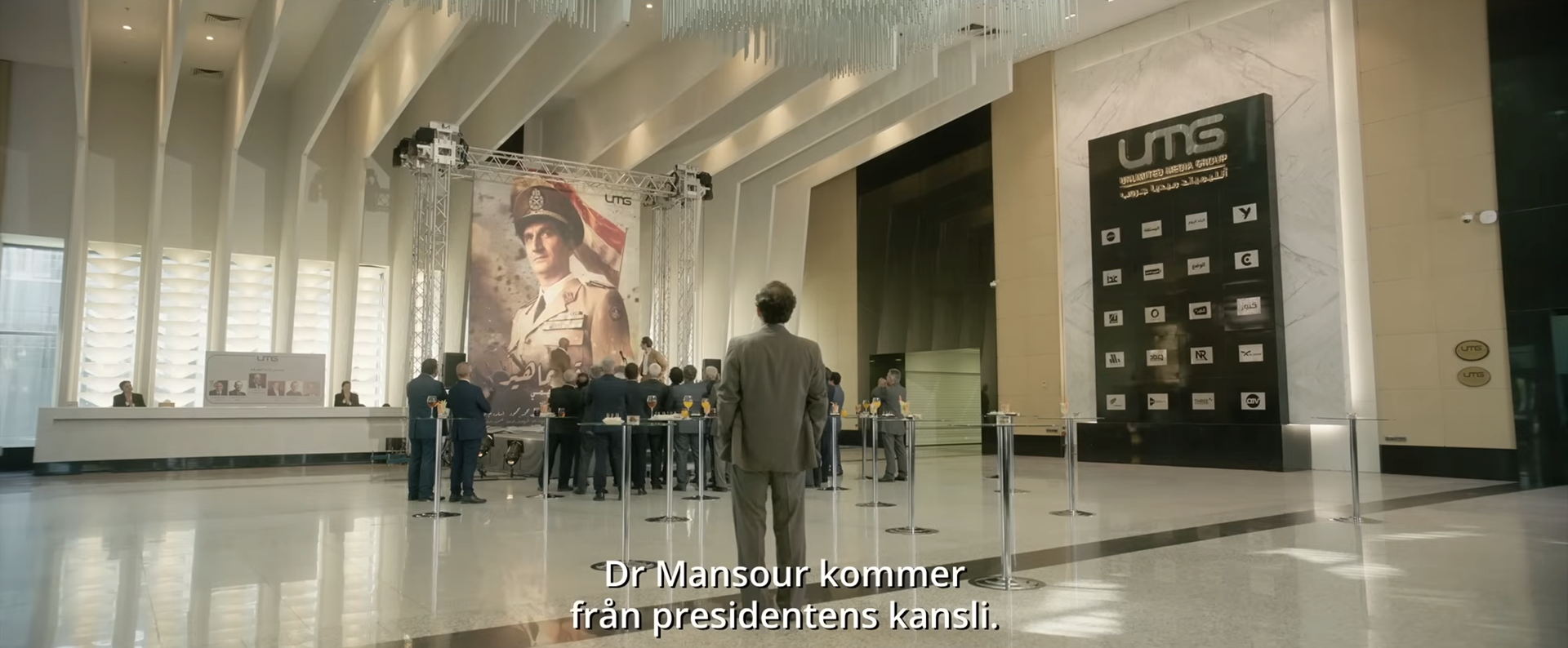
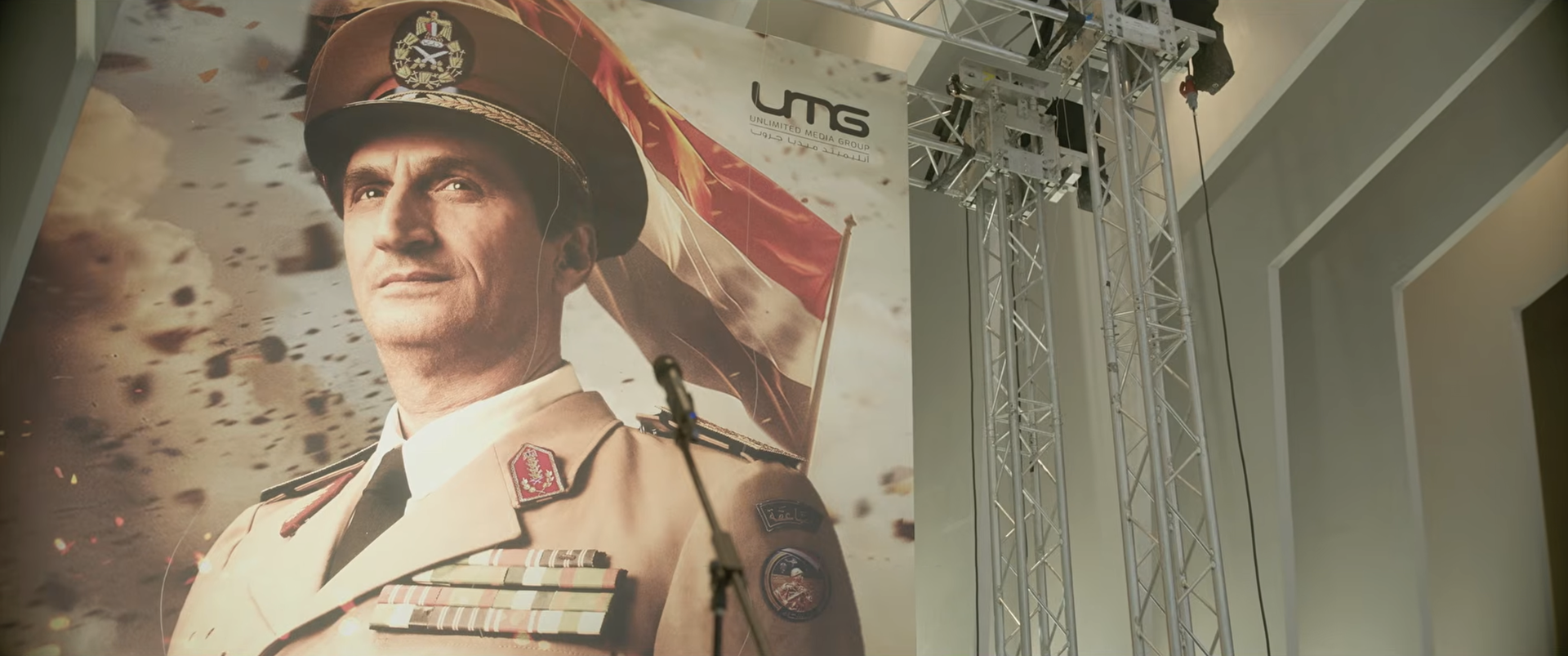
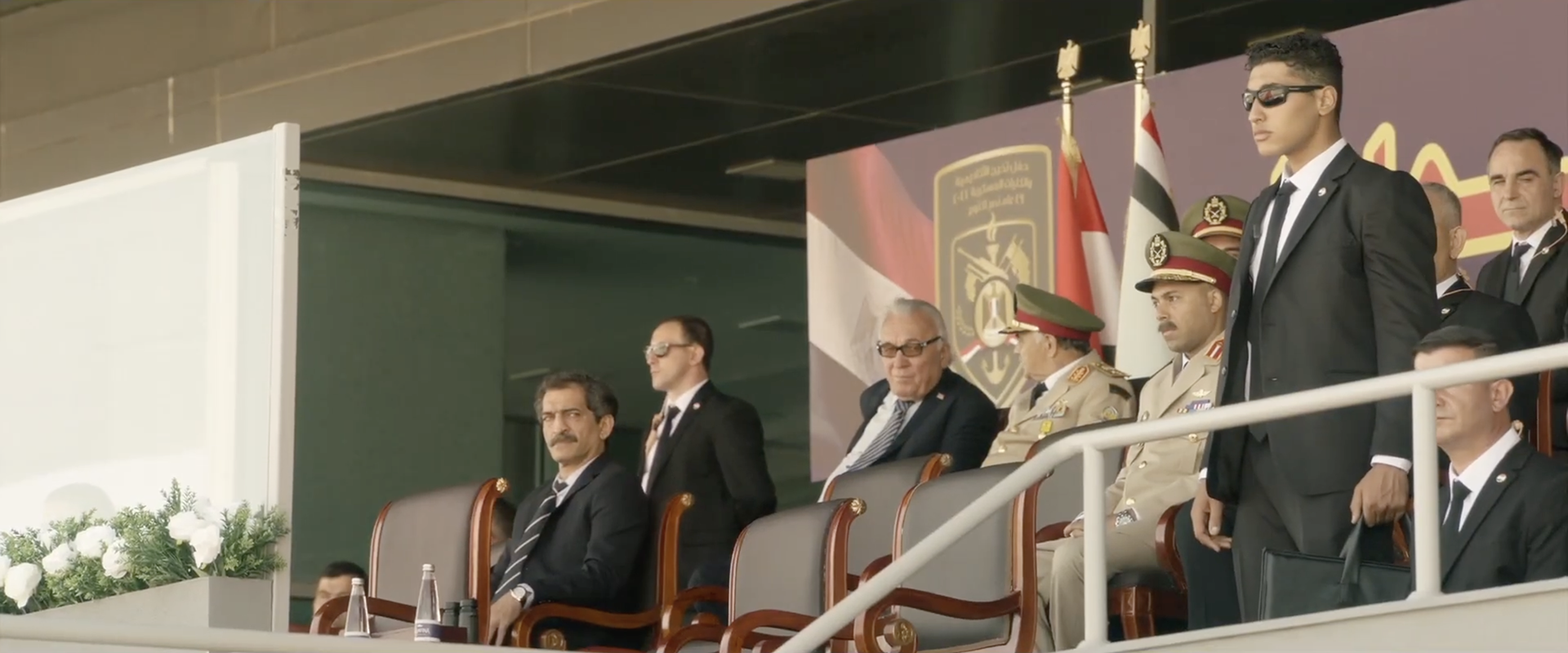
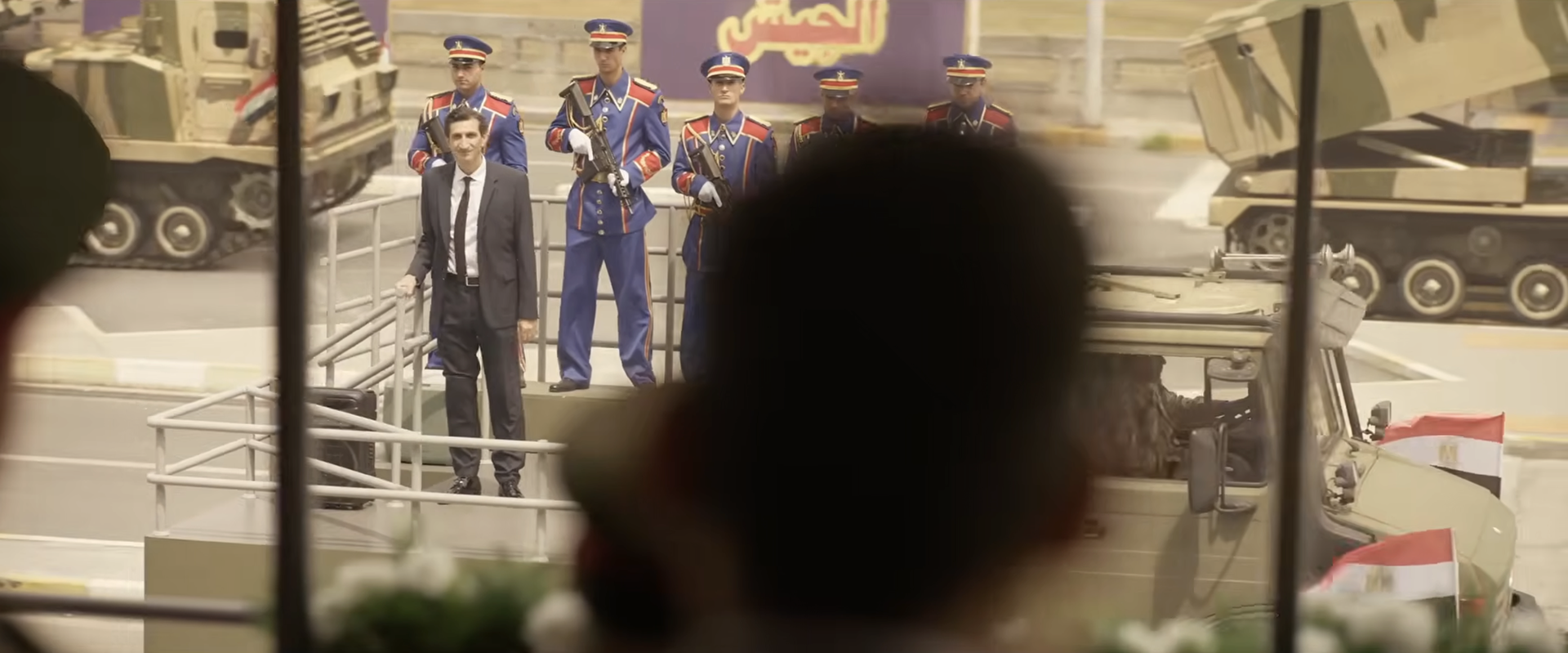
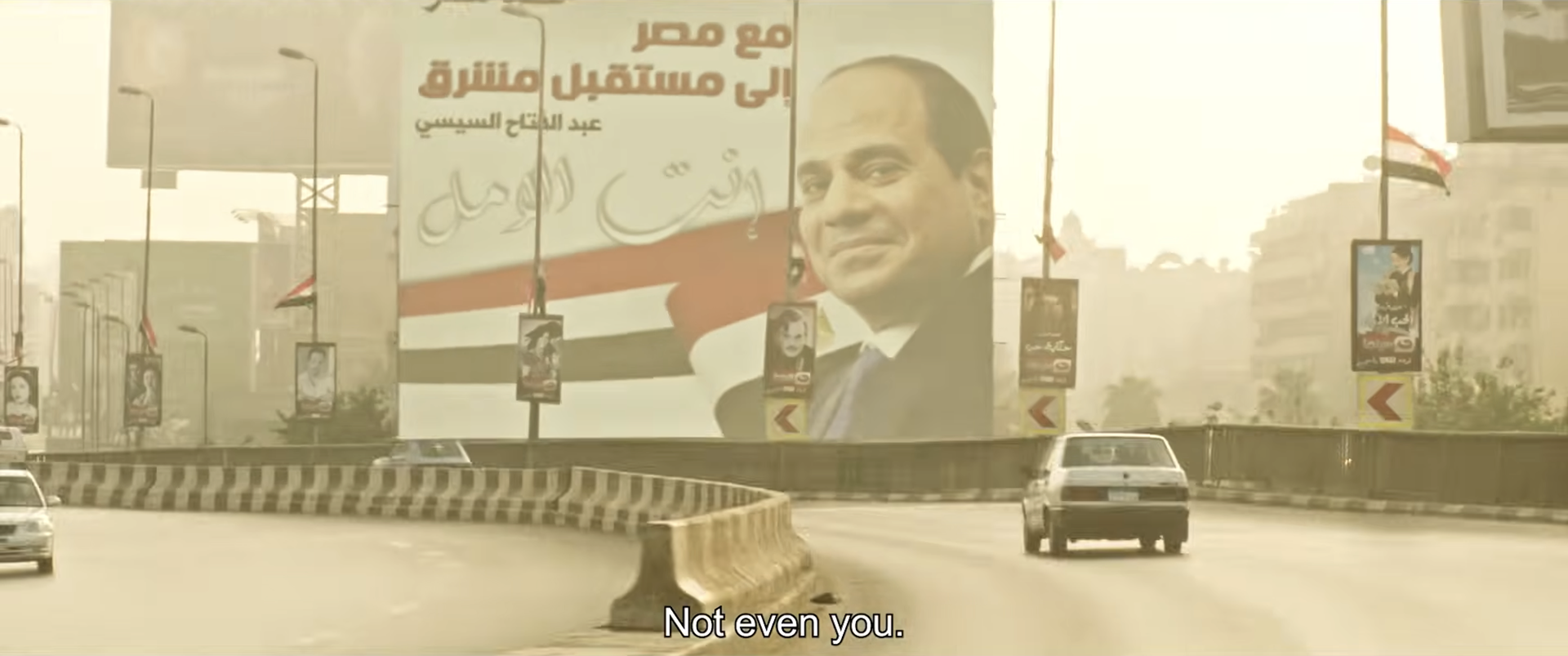
Throughout Eagles of the Republic, power is communicated visually before it is spoken. Portraits, campaign banners, state television, military ceremonies and official insignia form a continuous visual language that reinforces the presence of the regime. Rather than existing as isolated graphic elements, each piece contributes to an environment where authority is constantly performed.
Reflection
Working in film revealed a different role for graphic design. Rather than communicating with an audience directly, the work becomes part of the environment itself—supporting narrative, shaping atmosphere and helping fictional worlds feel internally consistent. Much of it is never consciously noticed, yet its success depends precisely on that invisibility.